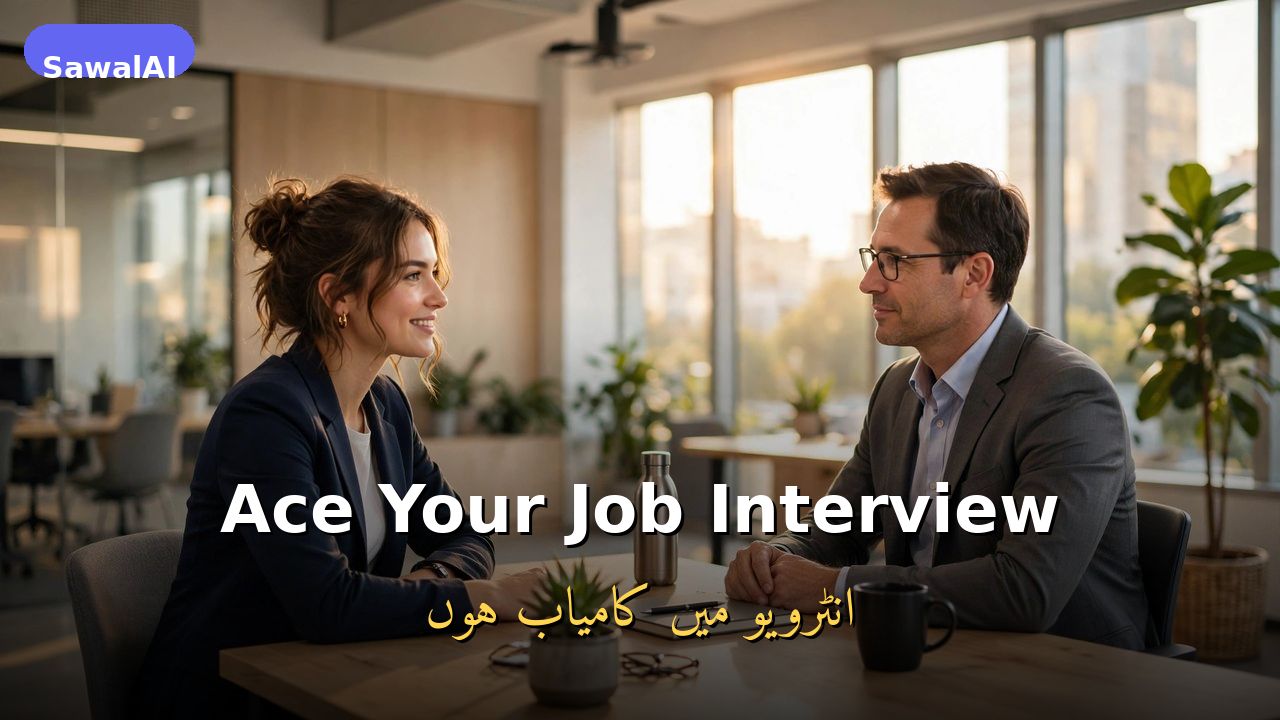
A job interview can feel like the highest-stakes conversation of your life. But here is the secret hiring managers already know: interview confidence is not a personality trait, it is preparation made visible. Most candidates lose offers not because they lack skills, but because they arrive unprepared, ramble through answers, or treat the meeting as a one-way interrogation. These practical tips will help you walk in calm, answer with clarity, and leave an impression that lasts long after you leave the room.
Research the Company Before You Go
Spend an hour on the company’s website, recent news, products, and culture page. Learn who their customers are and what challenges they face right now. When you can say, “I saw your team just launched X — here is how I would contribute,” you stand out from every candidate who rehearsed only generic answers. Look up your interviewer on LinkedIn too, so you can find genuine common ground before you even shake hands.
Prepare STAR Stories, Not Just Answers
For questions like “Tell me about a challenge you overcame,” interviewers want proof, not claims. Use the STAR method: Situation (the context), Task (your responsibility), Action (what you did), and Result (the outcome, ideally with numbers). Prepare five or six stories covering teamwork, conflict, failure, leadership, and initiative. Rehearse them out loud until they sound natural. A concrete result like “cut reporting time by 30%” beats vague self-praise every time.
Dress Sharply and Arrive Early
First impressions form in seconds. Dress one level above the company’s everyday dress code — when in doubt, a clean, well-fitted outfit beats fashion risks. Plan to arrive 10–15 minutes early, which gives you time to breathe, review your notes, and settle in. Bring printed copies of your résumé, a notepad, and a pen; small details like these quietly signal professionalism.
Mind Your Body Language
Your words say you are qualified; your body says you are confident. Sit upright, make natural eye contact, smile genuinely, and offer a firm handshake. Avoid fidgeting, crossing your arms, or glancing at the clock. When you speak, slow down slightly — nerves make most people rush, and a measured pace sounds calm and authoritative.
Ask Smart Questions at the End
When the interviewer asks “Do you have any questions?”, never say no — it signals disinterest. Ask about the team’s biggest current challenge, what success looks like in the first 90 days, or why they personally enjoy working there. These questions show you are evaluating them too, which is exactly what strong candidates do. Send a thank-you email within 24 hours referencing something specific from the conversation.